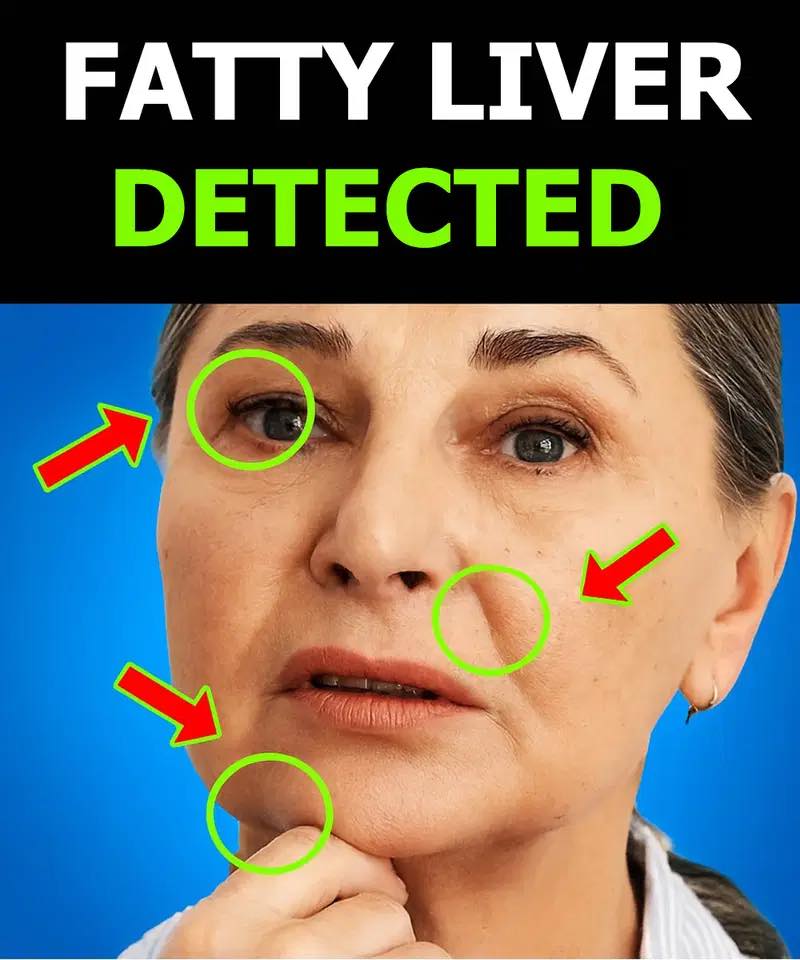
When we talk about liver health, most people think liver problems are obvious, painful, or easy to detect. But the reality is quite different: fatty liver is silent, develops slowly, and can progress for years without causing any noticeable symptoms. However, there is a very common habit that almost everyone with fatty liver shares, even without knowing it: living with a metabolic imbalance that begins long before the liver “screams.”
Even if you don’t notice it, your body is sending signals. If you feel heavy after eating, have trouble losing belly fat, have high triglycerides, or are told that “everything is normal,” but you don’t feel well… you could be facing a liver problem that went undetected.
The core of the problem: an overloaded metabolism
Most people who develop fatty liver share the same silent triad:
1. Insulin resistance
The body produces too much insulin to handle the excess sugar and energy. This causes the liver to work overtime, store more fat, and become overloaded.
2. Visceral Fat
It doesn’t matter if a person is thin or robust: the fat surrounding the organs is the most dangerous. There’s even a term, “metabolically obese thin”: little fat on the outside, a lot of fat on the inside.
3. Chronic Low-Grade Inflammation
It doesn’t hurt, you can’t feel it, but it’s there. And it sustains the entire metabolic cycle that slowly damages the liver.
When this combination occurs, the liver begins to store excess energy. First, it stores glucose, then fat. When it can’t store any more, it sends it to other parts of the body. Over time, it all becomes a vicious cycle: more insulin → more fat → more inflammation → more liver damage.
