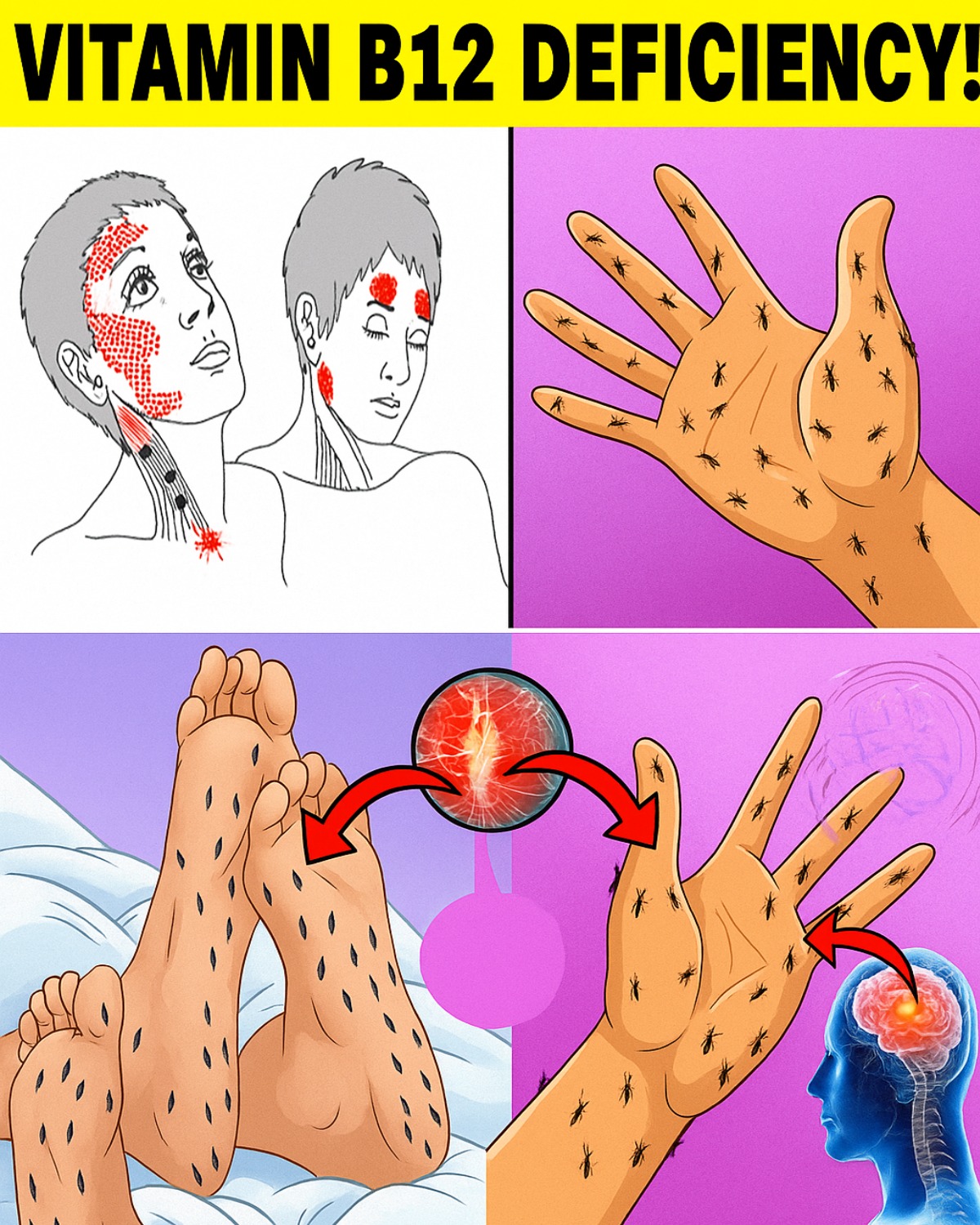
Here’s something many people don’t realize — your mood depends heavily on your nutrition.
B12 helps produce serotonin, the brain’s “feel-good” chemical. Without it, you might feel irritable, anxious, or even depressed without knowing why.
Some people report feeling like they’ve “lost their spark.” Others describe emotional flatness, sudden sadness, or unexplained irritability.
If this sounds familiar, you’re not alone — and the cause could be more biological than psychological.
5. Memory Problems and Brain Fog
Ever walk into a room and forget why? Or struggle to find words that used to come easily?
B12 deficiency affects brain function, especially areas related to focus, memory, and clarity. Some even mistake it for early dementia.
But here’s the encouraging part — once your B12 levels are restored, cognitive sharpness often improves dramatically.
So before assuming it’s “just aging,” consider whether your brain simply needs better fuel.
6. Shortness of Breath and Dizziness
Climbing stairs shouldn’t make you feel lightheaded. But when your red blood cells can’t carry oxygen efficiently, your lungs and heart work overtime.
You might notice yourself breathing harder during normal activity or feeling dizzy when standing up.
This symptom often pairs with fatigue and pale skin — a classic triad of low B12–related anemia.
7. Sore Tongue or Mouth Ulcers
This one surprises most people. A red, inflamed tongue (called glossitis) or frequent mouth sores can signal low B12.
Without enough of the vitamin, your tongue loses papillae — the tiny bumps that hold taste buds — making it appear smooth and shiny.
You might also notice burning sensations or changes in how food tastes. It’s subtle but telling.
8. Blurred Vision or Eye Twitching
Here’s something few expect: B12 deficiency can affect your eyes.
When nerves in the optic region are damaged, it can distort vision or cause small, rapid twitches. Some people describe blurry spots, light sensitivity, or seeing “shadows.”
While rare, vision problems are a serious late-stage symptom — and a sign that nerve damage has already begun.
9. Heart Palpitations or Irregular Pulse
Feeling your heart race, even when you’re resting? That’s another possible sign.
With fewer red blood cells circulating oxygen, your heart compensates by beating faster. Over time, this strain can increase risk for cardiovascular issues.
Combine that with fatigue or dizziness, and you may be looking at a clear case of oxygen deficiency caused by low B12.
